

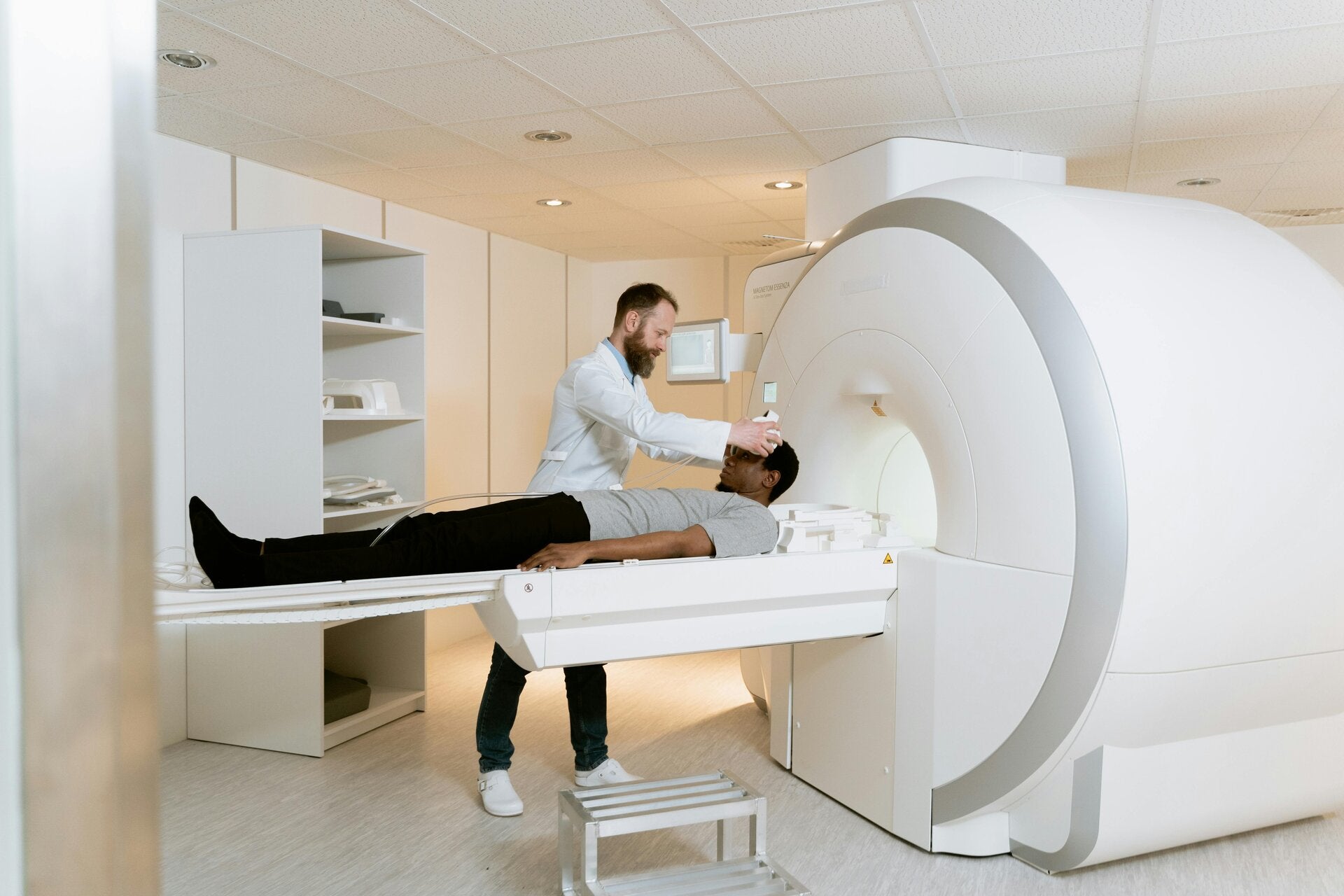
Radiographers — also known as Medical Imaging Technologists — are the specialists behind X‑rays, CT scans, MRIs, ultrasounds, and other imaging techniques that help diagnose injuries and illnesses.
This role is one of the most searched in healthcare because it blends technology, patient care, and problem‑solving. If you’re curious about what Radiographers actually do, how the training works, or what the day‑to‑day reality looks like, this guide breaks it down clearly and simply.
What Radiographers Actually Do
Radiographers operate imaging equipment to capture detailed pictures of the inside of the body. These images help doctors diagnose fractures, cancers, infections, internal injuries, and more.
Core Responsibilities
-
Operating imaging equipment (X‑ray, CT, MRI, ultrasound)
-
Positioning patients safely and comfortably
-
Following strict radiation safety protocols
-
Reviewing images for clarity and accuracy
-
Communicating with doctors and specialists
-
Maintaining equipment and imaging rooms
-
Supporting patients who may be anxious or in pain
-
Keeping accurate imaging records
Radiographers combine technical skill with patient‑focused care, making the role both scientific and interpersonal.
Where Radiographers Work
-
Hospitals
-
Private imaging clinics
-
Emergency departments
-
Specialist centres (oncology, orthopaedics, neurology)
-
Rural and mobile imaging units
-
Community health services
The environment is clean, structured, and technology‑driven — ideal for people who enjoy modern equipment and organised workflows.
Skills You Need to Succeed as a Radiographer
This role suits people who enjoy technology, anatomy, and working directly with patients.
Technical Skills
-
Operating imaging machines
-
Understanding anatomy and pathology
-
Radiation safety
-
Image analysis
-
Equipment troubleshooting
-
Accurate documentation
Personal Qualities
-
Strong communication
-
Patience and empathy
-
Attention to detail
-
Problem‑solving
-
Ability to stay calm with anxious patients
-
Physical stamina for positioning equipment and patients
If you like tech‑driven work with a human element, radiography is a natural fit.
How to Become a Radiographer
The pathway is structured and well‑supported.
Typical Requirements
-
Degree in medical imaging or radiography
-
Clinical placements in imaging departments
-
Registration with your national radiography board
-
Ongoing professional development
-
Strong understanding of safety protocols
Many Radiographers later specialise in MRI, CT, ultrasound, nuclear medicine, or interventional radiology.
A Real Day in the Life of a Radiographer
The workday is a mix of patient interaction, technical operation, and problem‑solving.
Morning
-
Preparing imaging rooms
-
Reviewing patient bookings
-
Performing routine X‑rays
-
Assisting emergency department patients
Midday
-
CT or MRI scans
-
Communicating with doctors about urgent findings
-
Troubleshooting equipment issues
-
Supporting patients who may be nervous or in pain
Afternoon
-
More imaging sessions
-
Cleaning and maintaining equipment
-
Finalising reports and documentation
-
Preparing for the next day’s schedule
It’s steady, structured work — with moments of urgency when emergency cases arrive.
Why People Choose This Career
-
Modern, technology‑driven work
-
Clear career pathways and specialisations
-
Direct impact on patient diagnosis
-
A mix of technical and interpersonal tasks
-
Opportunities to work in hospitals, clinics, or specialised centres
-
Strong demand across healthcare systems
Many Radiographers say they love the blend of science, tech, and patient care.
Is This Role Right for You?
If you enjoy technology, anatomy, and helping people feel comfortable during medical procedures, radiography is one of the strongest career choices in healthcare.
It’s structured, meaningful, and full of opportunities to specialise.
Quick FAQ
Do Radiographers diagnose conditions No — they produce images that doctors interpret.
Is the job physical Yes, especially when positioning patients and equipment.
Is this a good career for people who like technology Absolutely.
How to Become a Dental Assistant: Pathways, Skills & Daily Responsibilities
Dental Assistants are the backbone of modern dental clinics. They support dentists during procedures, help patients feel comfortable, manage equipment, and keep the clinic running smoothly.
How to Become a Registered Nurse: Skills, Salary, Training & Real‑World Work
Becoming a Registered Nurse is one of the most searched‑for career paths in the world — and for good reason. Nursing sits at the intersection of human connection, medical skill, and real‑world impact, making it one of the most respected and in‑demand jobs across hospitals, clinics, aged care, emergency departments, and community health.
What Healthcare Assistants Really Do: A Practical Career Breakdown
Healthcare Assistants (HCAs) — also known as Nursing Assistants or Care Assistants — are one of the most searched roles in healthcare worldwide. People want to know what the job actually involves, what the pay looks like, and whether the day‑to‑day work is something they’d enjoy.
What Aged Care Workers Really Do: Inside the Day‑to‑Day of Elder Support
Aged Care Workers support older adults with daily living, wellbeing, independence, and dignity. They’re the steady hands and warm presence behind residential homes, community programs, and in‑home support services.
How to Become a Medical Laboratory Technician
Medical Laboratory Technicians (MLTs) are the quiet engine room of modern healthcare. While doctors and nurses work directly with patients, MLTs work behind the scenes — analysing samples, running diagnostic tests, and producing the results that guide treatment decisions.
Radiographer Career Guide: Duties, Skills, Training & Real Imaging Work (2026)
Radiographers — also known as Medical Imaging Technologists — are the specialists behind X‑rays, CT scans, MRIs, ultrasounds, and other imaging techniques that help diagnose injuries and illnesses.
How to Become a Pharmacist: Pathways, Skills & Daily Responsibilities
Pharmacists are medication experts who help people understand their prescriptions, manage treatments safely, and make informed decisions about their health. This role is one of the most searched in healthcare because it blends science, communication, problem‑solving, and direct patient interaction.
What Physiotherapists Really Do: Inside the World of Movement & Recovery
Physiotherapists are movement specialists who help people recover from injuries, manage pain, improve mobility, and regain independence. This role is one of the most searched in healthcare because it blends science, hands‑on treatment, problem‑solving, and meaningful patient interaction.
Mental Health Support Worker Career Guide: Duties, Skills, Training & Real Work (2026)
Mental Health Support Workers play a crucial role in helping people navigate challenges like anxiety, depression, addiction, trauma, and long‑term mental health conditions. They provide practical assistance, emotional support, and everyday stability for people who need it most.
Add comment
Comments