

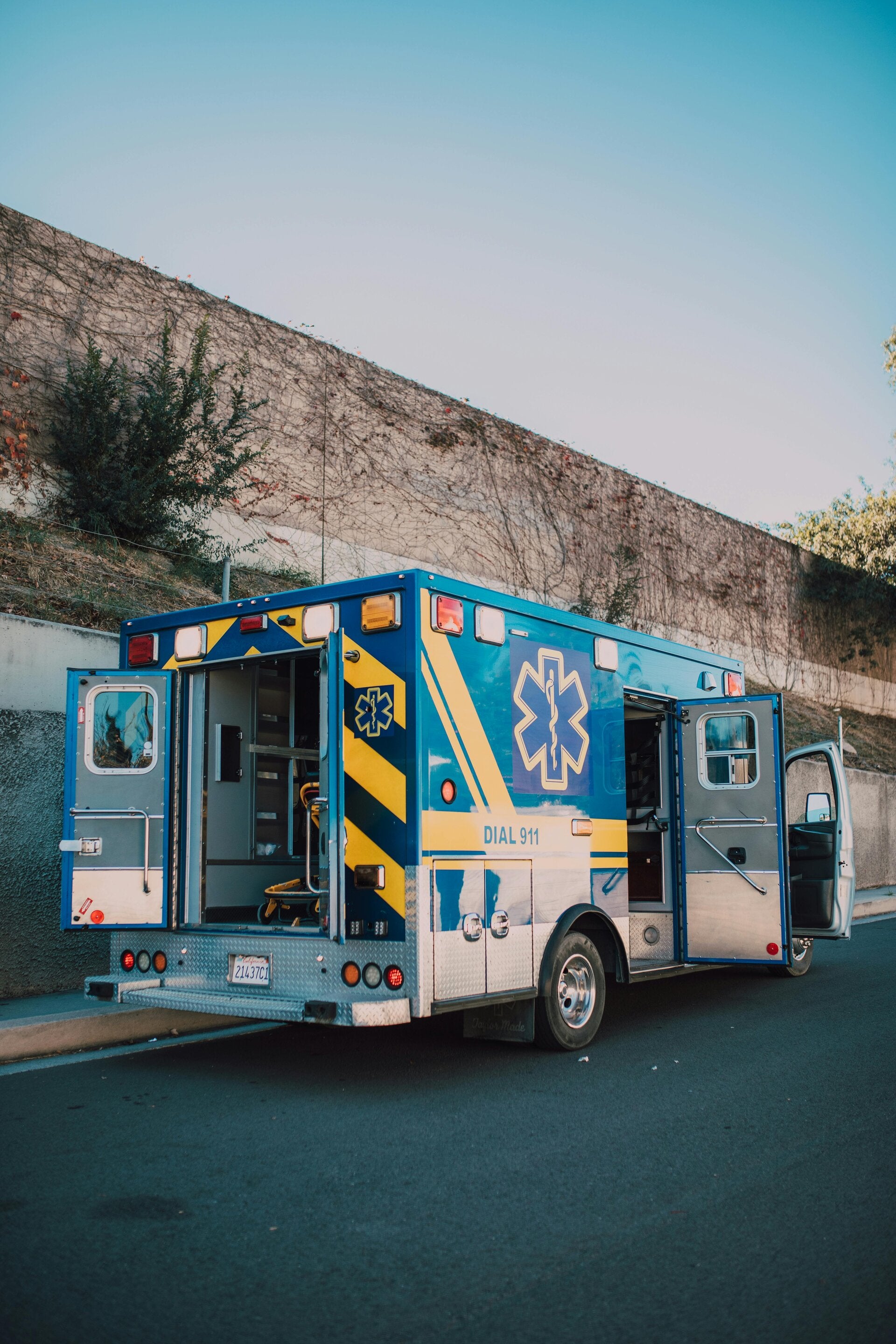
Paramedics are one of the most searched and most respected roles in healthcare. When people picture emergency responders, they imagine the ambulance pulling up, the crew stepping out, and someone trained to make fast decisions in unpredictable situations.
This job attracts people who want action, purpose, and a career where every shift feels meaningful. If you’re curious about what Paramedics actually do, how the training works, or what the day‑to‑day reality looks like, this guide breaks it down clearly and simply.
What Paramedics Actually Do
Paramedics respond to emergencies, provide life‑saving care, and transport patients safely to hospital. They’re trained to handle everything from trauma to medical crises to unexpected situations out in the community.
Core Responsibilities
-
Responding to emergency calls
-
Assessing patients quickly and accurately
-
Providing pre‑hospital care
-
Managing trauma, cardiac events, respiratory issues, and more
-
Using advanced medical equipment
-
Communicating with hospitals for handover
-
Keeping detailed incident records
-
Supporting patients and families during stressful moments
Paramedics are trained to stay calm, think fast, and act decisively — even when the environment is chaotic.
Where Paramedics Work
-
Ambulance services
-
Emergency response units
-
Rescue teams
-
Event medical teams
-
Rural and remote health services
-
Disaster response organisations
The job can take you anywhere — city streets, rural roads, homes, workplaces, public events, and unpredictable environments.
Skills You Need to Succeed as a Paramedic
This role suits people who can stay steady under pressure and enjoy fast‑moving, unpredictable work.
Technical Skills
-
Patient assessment
-
Airway management
-
Trauma care
-
Using defibrillators and emergency equipment
-
Administering pre‑hospital treatments
-
Safe patient transport
-
Clear communication with hospitals
Personal Qualities
-
Calm under pressure
-
Quick decision‑making
-
Strong communication
-
Physical fitness
-
Emotional resilience
-
Problem‑solving
-
Ability to work in unpredictable environments
If you’re someone who thrives in high‑stakes situations, this job fits naturally.
How to Become a Paramedic
The pathway is structured and well‑defined.
Typical Requirements
-
Paramedicine degree or diploma
-
Clinical placements
-
Ambulance service training
-
Registration with your national paramedic board
-
Ongoing competency assessments
-
Strong physical fitness
Many Paramedics later specialise in intensive care, flight paramedicine, rescue operations, or emergency management.
A Real Day in the Life of a Paramedic
No two shifts are the same — that’s part of the appeal.
Morning
-
Checking equipment
-
Reviewing the shift roster
-
First emergency call-out
-
Assessing and stabilising patients
Midday
-
Multiple call-outs
-
Transporting patients
-
Communicating with hospital teams
-
Handling unpredictable situations
Afternoon / Evening
-
More emergency responses
-
Cleaning and restocking the ambulance
-
Writing incident reports
-
Debriefing with the team
It’s fast, physical, and full of moments where your actions genuinely matter.
Why People Choose This Career
-
Every shift feels meaningful
-
Strong teamwork and camaraderie
-
Clear progression pathways
-
Work that’s active and varied
-
Opportunities to specialise
-
A role that makes a real impact in the community
Many Paramedics say they love the adrenaline, the purpose, and the satisfaction of helping people on their hardest days.
Is This Role Right for You?
If you want a career that’s active, unpredictable, and deeply impactful, becoming a Paramedic is one of the strongest choices in healthcare.
It’s challenging, rewarding, and full of opportunities to grow.
Quick FAQ
Is the job stressful It can be, but strong training and teamwork make a huge difference.
Do Paramedics work long shifts Yes — often 10–12 hours, sometimes more.
Is this a good career for people who like fast‑paced work Absolutely.
How to Become a Dental Assistant: Pathways, Skills & Daily Responsibilities
Dental Assistants are the backbone of modern dental clinics. They support dentists during procedures, help patients feel comfortable, manage equipment, and keep the clinic running smoothly.
Paramedic Career Guide: Everything You Need to Know About Becoming an EMT Professional in 2026
Paramedics are one of the most searched and most respected roles in healthcare. When people picture emergency responders, they imagine the ambulance pulling up, the crew stepping out, and someone trained to make fast decisions in unpredictable situations.
How to Become a Registered Nurse: Skills, Salary, Training & Real‑World Work
Becoming a Registered Nurse is one of the most searched‑for career paths in the world — and for good reason. Nursing sits at the intersection of human connection, medical skill, and real‑world impact, making it one of the most respected and in‑demand jobs across hospitals, clinics, aged care, emergency departments, and community health.
What Healthcare Assistants Really Do: A Practical Career Breakdown
Healthcare Assistants (HCAs) — also known as Nursing Assistants or Care Assistants — are one of the most searched roles in healthcare worldwide. People want to know what the job actually involves, what the pay looks like, and whether the day‑to‑day work is something they’d enjoy.
What Aged Care Workers Really Do: Inside the Day‑to‑Day of Elder Support
Aged Care Workers support older adults with daily living, wellbeing, independence, and dignity. They’re the steady hands and warm presence behind residential homes, community programs, and in‑home support services.
How to Become a Medical Laboratory Technician
Medical Laboratory Technicians (MLTs) are the quiet engine room of modern healthcare. While doctors and nurses work directly with patients, MLTs work behind the scenes — analysing samples, running diagnostic tests, and producing the results that guide treatment decisions.
Radiographer Career Guide: Duties, Skills, Training & Real Imaging Work (2026)
Radiographers — also known as Medical Imaging Technologists — are the specialists behind X‑rays, CT scans, MRIs, ultrasounds, and other imaging techniques that help diagnose injuries and illnesses.
How to Become a Pharmacist: Pathways, Skills & Daily Responsibilities
Pharmacists are medication experts who help people understand their prescriptions, manage treatments safely, and make informed decisions about their health. This role is one of the most searched in healthcare because it blends science, communication, problem‑solving, and direct patient interaction.
What Physiotherapists Really Do: Inside the World of Movement & Recovery
Physiotherapists are movement specialists who help people recover from injuries, manage pain, improve mobility, and regain independence. This role is one of the most searched in healthcare because it blends science, hands‑on treatment, problem‑solving, and meaningful patient interaction.
Mental Health Support Worker Career Guide: Duties, Skills, Training & Real Work (2026)
Mental Health Support Workers play a crucial role in helping people navigate challenges like anxiety, depression, addiction, trauma, and long‑term mental health conditions. They provide practical assistance, emotional support, and everyday stability for people who need it most.
Add comment
Comments