

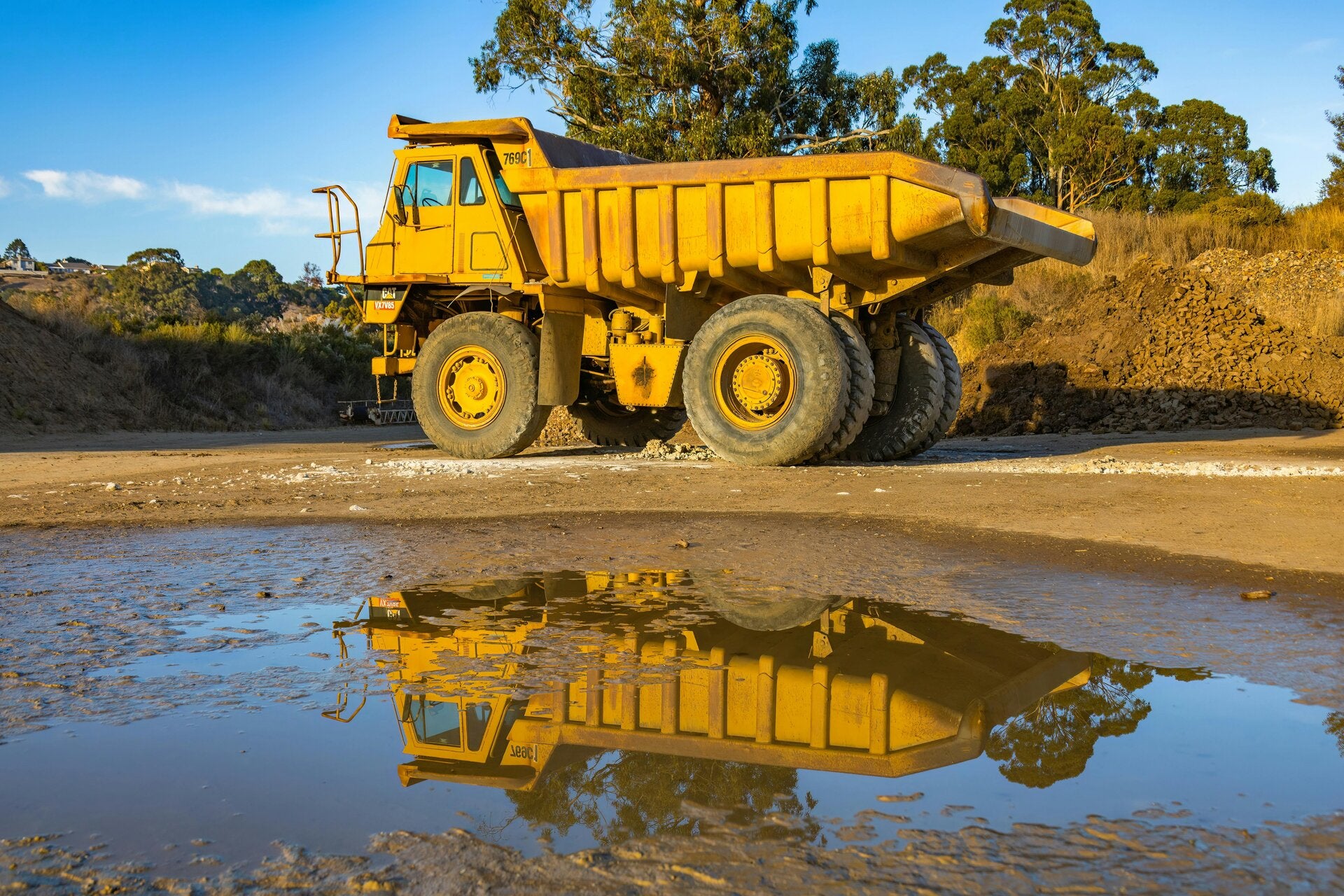
If you’re considering becoming a heavy diesel mechanic and want to know what the job actually involves, this guide gives you the full picture — from daily tasks to pay, training, lifestyle, and long‑term opportunities. Diesel mechanics keep the machines that power industries running — trucks, buses, heavy equipment, agricultural machinery, and more.
The work is physical, technical, and often high‑stakes. When a diesel engine fails, entire operations can grind to a halt. That’s why diesel mechanics are always in demand.
What Heavy Diesel Mechanics Actually Do
Diesel mechanics inspect, diagnose, repair, and maintain large diesel engines and heavy machinery. The job blends hands‑on work with advanced diagnostics, especially as modern diesel systems become more computer‑controlled.
Common tasks include:
-
Diagnosing engine, transmission, and hydraulic issues
-
Servicing trucks, buses, tractors, diggers, loaders, and heavy equipment
-
Repairing or replacing worn or damaged components
-
Using diagnostic scanners and specialised software
-
Testing vehicle performance and safety
-
Working with high‑pressure fuel systems
-
Inspecting brakes, suspension, and drivetrains
-
Performing field repairs on job sites or roadside breakdowns
Specialised areas include:
-
Transport diesel — trucks, buses, long‑haul vehicles
-
Heavy equipment — construction and mining machinery
-
Agricultural diesel — tractors, harvesters, farm machinery
-
Marine diesel — boats and commercial vessels
-
Hydraulics — pumps, lines, cylinders, and control systems
Diesel mechanics can specialise or stay general depending on their interests.
Skills You Need to Succeed
Technical skills
-
Strong understanding of diesel engines and mechanical systems
-
Ability to use diagnostic tools and software
-
Knowledge of hydraulics and high‑pressure systems
-
Tool proficiency and safety awareness
-
Ability to interpret technical manuals and diagrams
Soft skills
-
Problem‑solving under pressure
-
Clear communication with clients and teams
-
Time management
-
Ability to explain complex issues simply
-
Patience and attention to detail
Physical requirements
-
Lifting heavy parts and components
-
Working in tight or awkward spaces
-
Standing, bending, and kneeling for long periods
-
Comfort with grease, noise, and physical work
-
Ability to work outdoors or on job sites
Diesel mechanics need both technical intelligence and physical capability.
Work Environment & Lifestyle
Diesel mechanics work in workshops, transport yards, construction sites, farms, and sometimes roadside or field environments. The job is active, loud, and often fast‑paced.
Expect:
-
Early starts
-
A mix of routine servicing and complex repairs
-
Field callouts for breakdowns
-
Working with heavy machinery and large components
-
Team collaboration with operators, drivers, and engineers
-
Days that feel productive and hands‑on
The lifestyle suits people who:
-
Enjoy fixing big machines
-
Like practical, hands‑on work
-
Prefer movement over desk work
-
Enjoy solving mechanical puzzles
-
Want a stable trade with long‑term demand
If you enjoy understanding how machines work and keeping industries moving, this trade fits perfectly.
Pay & Career Progression
Heavy diesel mechanics earn strong money, especially with experience or specialisation.
Typical progression:
-
Apprentice diesel mechanic
-
Qualified diesel technician
-
Senior technician / diagnostic specialist
-
Workshop foreman
-
Fleet manager
-
Business owner (many diesel mechanics eventually open their own workshop)
Where the money increases:
-
Mining and construction machinery
-
Transport fleet maintenance
-
Marine diesel
-
Hydraulics specialisation
-
Running your own workshop
-
Senior diagnostic roles
Diesel mechanics with diagnostic expertise are in extremely high demand.
Pros & Cons of Being a Heavy Diesel Mechanic
Pros
-
Very high demand
-
Strong pay with experience
-
Clear career progression
-
Hands‑on, practical work
-
Opportunities to specialise
-
Pathway to owning a workshop
-
Work that feels meaningful and essential
Cons
-
Physically demanding
-
Heavy lifting
-
Can be dirty or greasy
-
Tight deadlines
-
Requires ongoing training (diesel tech evolves fast)
Is Heavy Diesel a Good Career?
If you enjoy fixing machines, solving problems, and working with your hands, heavy diesel is one of the most stable and rewarding trades. It offers strong long‑term opportunities, especially for mechanics who specialise in diagnostics, hydraulics, or heavy equipment.
Diesel mechanics keep industries running — transport, construction, agriculture, mining — and that makes the trade incredibly valuable.
FAQ
Q: Is heavy diesel hard to learn? A: It takes time, but apprenticeships teach everything step‑by‑step.
Q: Do diesel mechanics make good money? A: Yes — especially those who specialise in heavy equipment or fleet maintenance.
Q: Is heavy diesel dangerous? A: There are risks (heavy parts, machinery), but training and safety gear reduce them.
Q: Do diesel mechanics work weekends? A: Some do, especially in transport or construction industries.
Conclusion
Heavy diesel mechanics play a crucial role in keeping industries moving. If you enjoy hands‑on work, problem‑solving, and understanding how large machines operate, this trade offers strong pay, long‑term stability, and endless opportunities to grow.
Explore the next trade in our Job Library to compare your options and find the path that fits you best.
Is Landscaping a Good Career? A Practical Breakdown
If you’re curious about landscaping and want a realistic picture of the job, this guide lays out everything you need to know — the day‑to‑day work, the pay, the lifestyle, and where the trade can take you. Landscapers shape outdoor spaces, maintain gardens, and keep properties looking sharp and healthy.
Is Painting & Decorating a Good Career? Skills, Pay, Lifestyle & Reality
If you’re considering painting and decorating and want to know what the job actually involves, this guide gives you the full picture — from daily tasks to pay, training, lifestyle, and long‑term opportunities. Painters transform homes, buildings, and commercial spaces through colour, detail, and finishing work.
Is Plumbing a Good Career? What You Need to Know Before Starting
If you’re considering becoming a plumber and want to know what the job actually involves, this guide gives you the full picture — from daily tasks to pay, training, lifestyle, and long‑term opportunities. Plumbing is one of the most in‑demand trades worldwide, and the work is far more varied than people expect.
Is Plastering a Good Career? A Straightforward Breakdown
If you’re curious about plastering and want a realistic picture of the job, this guide lays it all out — the day‑to‑day work, the pay, the lifestyle, and where the trade can take you. Plasterers create the smooth, clean surfaces that make homes and buildings look finished. It’s a mix of technique, patience, and physical work.
Day in the Life of an HVAC Technician: Workload, Pay, Skills & Challenges
If you’re considering HVAC or refrigeration and want to know what the job actually involves, this guide gives you the full picture — from daily tasks to pay, training, lifestyle, and long‑term opportunities. HVAC technicians keep buildings comfortable, safe, and energy‑efficient by installing and maintaining heating, ventilation, air conditioning, and refrigeration systems.
Is Construction Labouring a Good Job? Pay, Skills, Lifestyle & Real‑World Reality
If you’re considering construction labouring and want to know what the job actually involves, this guide gives you the full picture — from daily tasks to pay, training, lifestyle, and long‑term opportunities. Labourers support builders, carpenters, and other trades by doing the essential groundwork that keeps job sites running smoothly.
Day in the Life of a Welder: Workload, Pay, Skills & Challenges
If you’re considering welding and want to know what the job actually involves, this guide gives you the full picture — from daily tasks to pay, training, lifestyle, and long‑term opportunities. Welding is a technical, hands‑on trade that combines precision, heat, metalwork, and problem‑solving.
Is Heavy Diesel a Good Career? The Honest Breakdown
If you’re considering becoming a heavy diesel mechanic and want to know what the job actually involves, this guide gives you the full picture — from daily tasks to pay, training, lifestyle, and long‑term opportunities. Diesel mechanics keep the machines that power industries running — trucks, buses, heavy equipment, agricultural machinery, and more.
What It’s Really Like Being a Mechanic — Skills, Pay, Lifestyle & Reality
If you’re considering becoming a mechanic and want to know what the job actually involves, this guide gives you the full picture — from daily tasks to pay, training, lifestyle, and long‑term opportunities. Mechanics keep vehicles running safely and efficiently, and the work is far more technical than most people realise.
What It’s Really Like Being a Carpenter — Honest Breakdown
If you’re thinking about becoming a carpenter and want to know what the job really involves, this guide gives you the full picture — from daily tasks to pay, training, lifestyle, and long‑term opportunities. Carpentry is one of the most versatile and in‑demand trades, with work ranging from framing houses to crafting detailed finish work.
Day in the Life of a Roofer: Workload, Pay, Skills & Challenges
If you’re curious about roofing and want a realistic picture of the job, this guide lays out everything you need to know — the day‑to‑day work, the pay, the lifestyle, and where the trade can take you. Roofers build, repair, and maintain the structures that protect homes and buildings from the elements.
The Electrician: The Real Day‑to‑Day Behind the Tools
Electricians are the backbone of modern life. Every home, every business, every machine — nothing works without them.
Add comment
Comments